• Doyle Skin, Sharples, Bolton, Lancashire, BL1 7RW

Book Your Skin Consultation

Share a few details below and we will get back to you


Skin Tag, Milia & Red Vein Removal

If small skin imperfections are drawing your eye every time you look in the mirror, you’re not alone. At Doyle Skin, we offer advanced, minimally invasive treatments to safely remove common skin tags, milia and superficial red veins, restoring confidence without the need for surgery.

A Gentle Way to Tidy Up the Skin

Skin tags, tiny white bumps (milia) and fine red veins are extremely common and completely harmless, but they can still be annoying or embarrassing – especially when they appear on the face, neck or décolleté.

Using specialist techniques, Doyle Skin can remove or visibly reduce these concerns in a comfortable clinic setting. Treatments are quick, targeted and tailored to the type of lesion and the area being treated, with minimal downtime for most clients.

Common Concerns We Can Help With

During your consultation, we’ll assess each area and confirm what can safely be treated at Doyle Skin. Typical concerns include:

Soft, flesh-coloured growths that often appear on the neck, underarms, bra line and eyelid area.

Tiny, hard white bumps usually found around the eyes, cheeks or forehead.

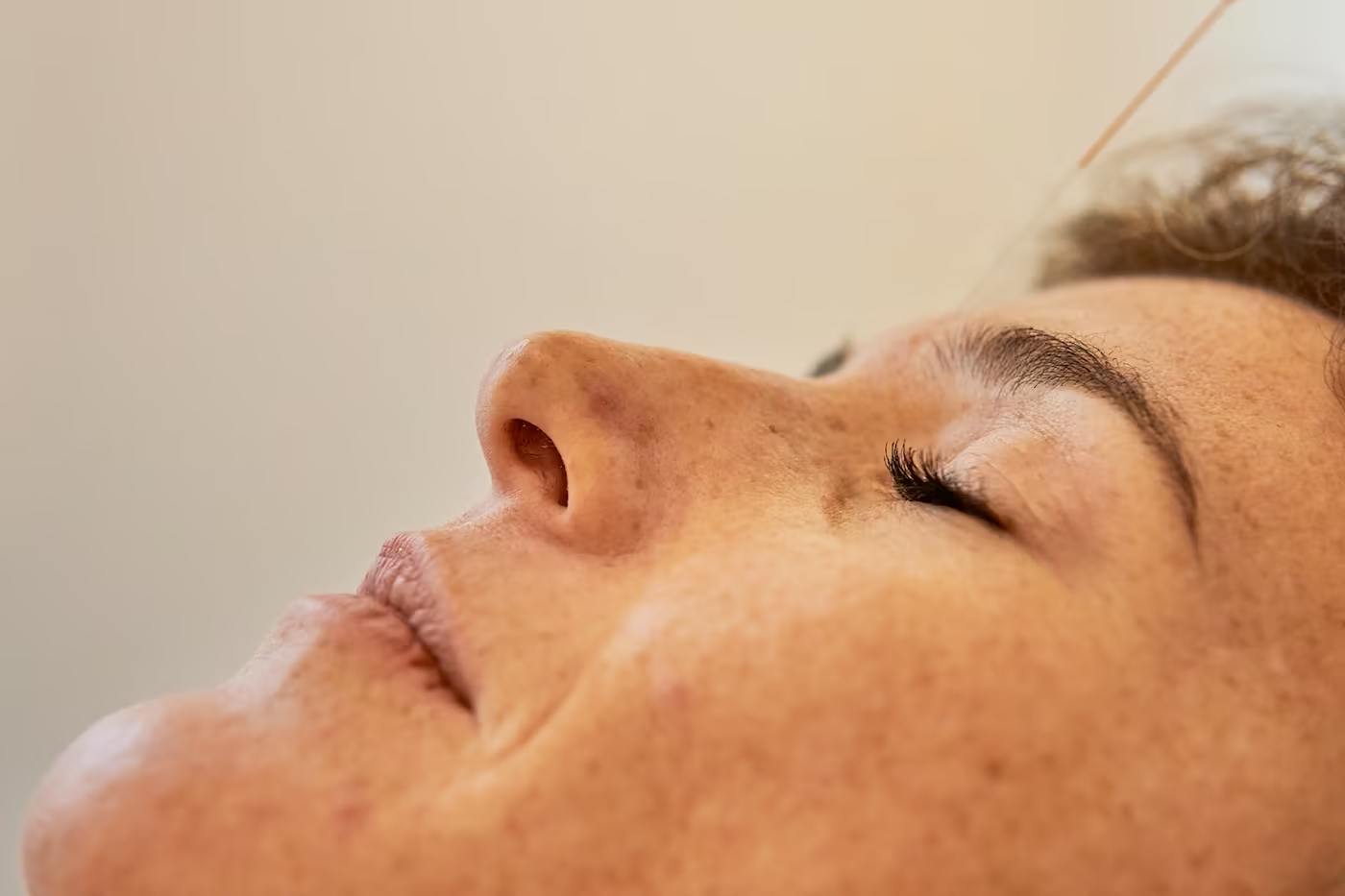
Fine, visible capillaries on the cheeks, nose and chin.

Any lesions that look suspicious or do not fall within our scope of practice will not be treated; instead, you’ll be advised to seek medical assessment from your GP or dermatologist.

What to Expect From Your Treatment

A clear, step-by-step process designed to keep you comfortable and informed.

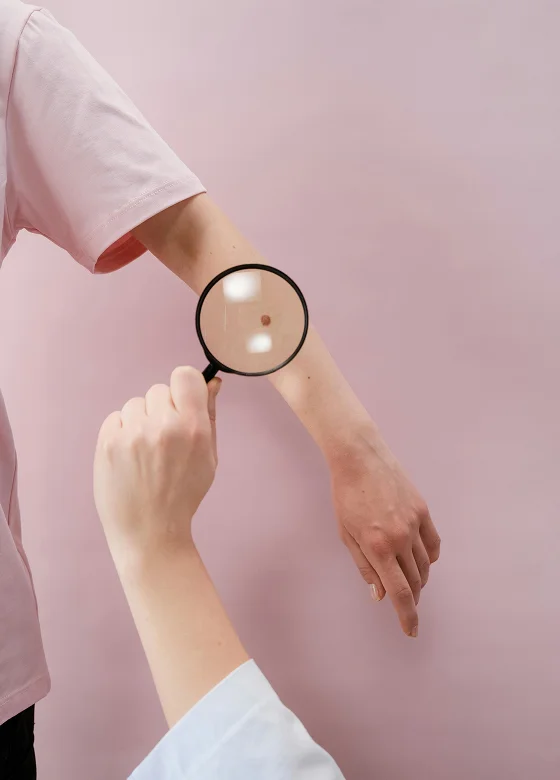
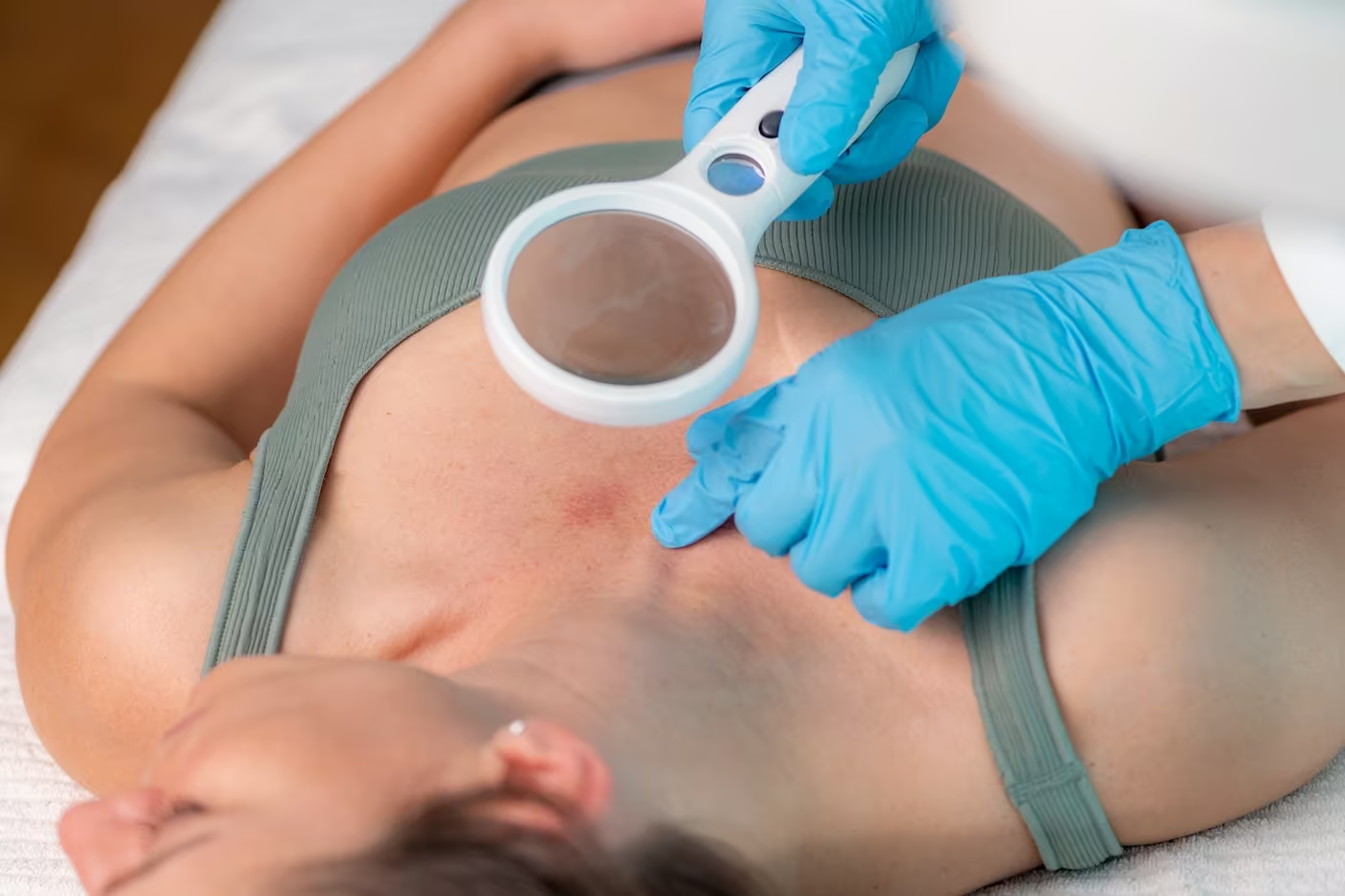
We begin by discussing your medical history and what you’d like to improve. Each lesion is examined so we can determine whether it is suitable for treatment and which method is most appropriate.

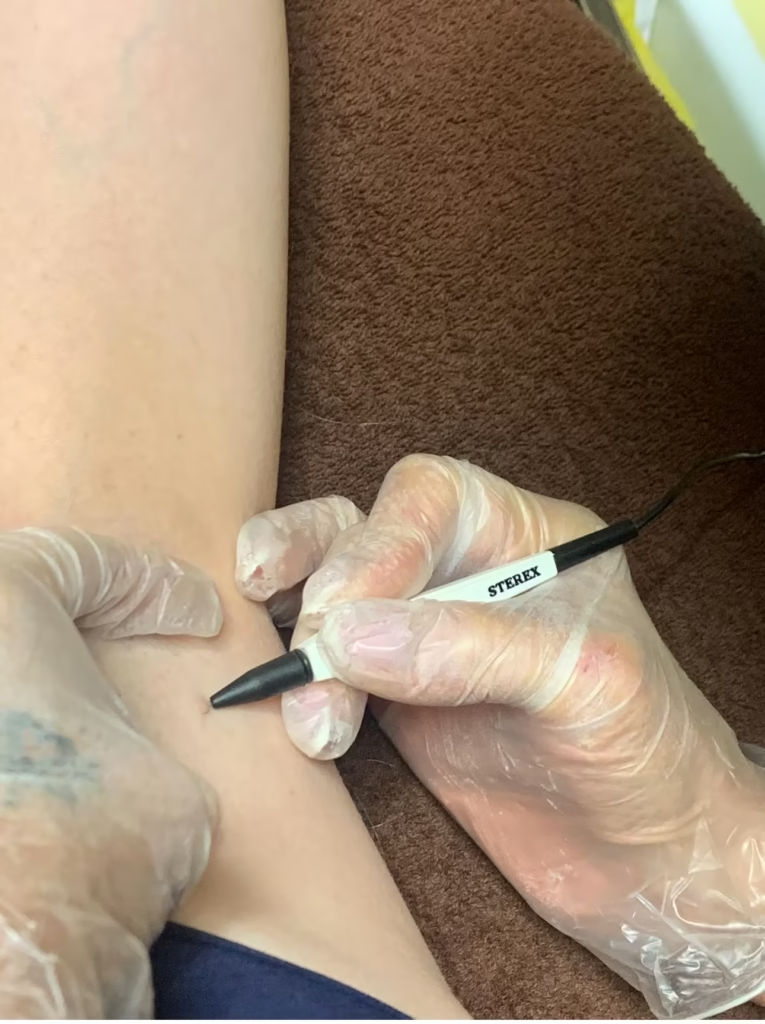
Once you’re comfortable, the chosen technique is used to remove or cauterise the skin tag, milia or red vein. Only the specific area is treated, helping to protect the surrounding skin. Most appointments are surprisingly quick.


You’ll be given simple aftercare advice to follow at home. The area may appear slightly red or form a small scab while the skin heals; this is completely normal and usually settles over the following days.

Laser skin resurfacing reduces wrinkles and scars, evens out skin coloring, tightens skin and removes lesions. Lasers are beams of light that vaporize the outer layers of your skin and promote the growth of new collagen fibers.

CLIENT EXPERIENCES / SUCCESS STORIES

Real Confidence Boosts

5/5

"Sharon at Doyle Skin is truly exceptional! I’ve had facials and microneedling with her, and each time my skin looks better and healthier. Her passion, expertise, and personalised care are unmatched. After my second microneedling, I was even asked for ID when buying wine – amazing results! I trust Sharon completely with my skin and highly recommend her services to anyone serious about achieving beautiful, glowing skin."

5/5

"Went to Doyle's Skin clinic for the first time on Saturday. After a consultation, Sharon recommended a Clinicare Pure chemical peel and mask with skin boosters. Loved the treatment and my skin felt amazing afterwards. Multiple people have commented on how well I looked and how bright my skin is. So I will be returning for my next treatment soon. Highly recommended!"

5/5

"It was So relaxing having the hot stones, I've been a few times now, and Sharon is so professional and listens to where you need the massage the most, works with your aches and pains, and pin points each area to the correct pressure, I would definitely recommend Sharon, 5 stars."

have a question?

Quick answers to questions you may have

Most clients describe the sensation as a brief sting or heat rather than pain. Any discomfort is usually very short-lived and localised to the treatment area.

This depends on their size, type and location. Simple, small skin tags or milia can often be treated in multiples within the same appointment. Sharon will explain what’s realistic once she has assessed your skin in person.

With good aftercare, most areas heal very well and leave little to no visible mark. However, everyone heals differently and a small risk of scarring or pigment change is always present with any skin procedure. This will be discussed with you beforehand.

You’ll be given tailored aftercare instructions, which usually include keeping the area clean and dry, avoiding picking or scratching, and protecting healing skin from direct sun exposure.

Some medical conditions and medications may mean we need written approval from your GP, or that treatment is not suitable. Please mention all relevant health information during your consultation so we can advise you safely.